
Things You Should Know Before Investing in Freehold Properties in Sharjah



When looking for a property in the UAE, you can usually find your ideal home or investment opportunity quite easily due to the wide range of options available in such a dynamic market. The thing is, the type of title you’ll be holding for that property won’t always be the same.
Many countries around the world tend to limit the ability of foreign nationals to fully own property, or they implement strict rules around the matter. For example, instead of offering freehold ownership, which means full ownership of the property, they may offer usufruct or long-term leasehold agreements that can extend up to 100 years.
This is not a small technicality that can be overlooked. It affects how long you, as an investor, can hold an asset, and whether you can resell it freely or pass it on through inheritance. Thankfully, for buyers and investors interested in freehold properties in Sharjah, Al Marwan Developments has some good news. This blog breaks down what buyers and investors should know before committing to a property in the UAE, with a Sharjah-specific lens.
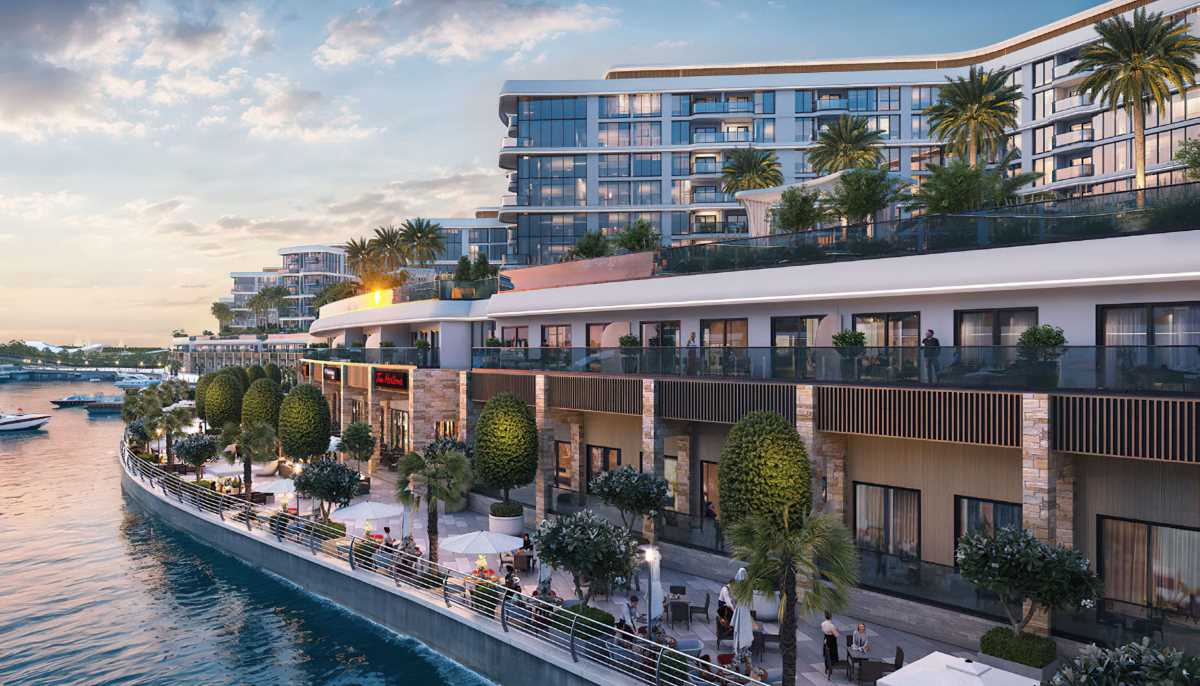
Freehold vs Leasehold: What Exactly Is a Freehold Property and How Does It Differ from Leasehold?
In general, freehold property means getting the full ownership of a property without a fixed expiry period. In practical terms, this gives the owner the right to use the property, sell it, lease it, and transfer it to heirs.
Although this sounds straightforward, the actual scope of ownership in the UAE still depends on who is buying the property, where it is located, within which project, and in which building or community framework.
In the UAE, property ownership is regulated at the emirate level, meaning a freehold purchase in Dubai is not automatically identical to one in Sharjah. So when buyers compare freehold properties in the UAE, they should not stop at the word “freehold”, but continue to ask: in which emirate, in which zone, and under which registration rules?
This applies even more strongly to buyers exploring off-plan projects in Sharjah, where understanding the title type and registration framework is essential before making a commitment.
To better understand all the differences between freehold and leasehold, shaping how the owner controls the property, how flexible they can manage it, and how long they get to benefit from it, we organized the following table:
| Aspect | Freehold | Leasehold / Usufruct |
| Ownership duration | Not limited by a fixed term | Time-bound and runs for a specified period |
| Rights over the property | Right to use, sell, lease, and transfer the property as needed | Right to use the property for a defined term, without permanent control |
| Resale, leasing, and inheritance | Usually offers stronger long-term control over resale timing, inheritance, and wealth transfer | Can still have value, but the remaining term can affect financing and resale attractiveness |
| Security for long-term holders | Often more appealing for long-term planning and intergenerational transfer | Less appealing for long-term holders because rights are tied to a limited term |
So, buyers interested in freehold properties in Sharjah should ask themselves: Do I want long-term control, or long-term use? These two are not the same thing, and the property’s title type should never be treated like any regular piece of paperwork.
The Legal Framework Behind Sharjah Freehold Ownership
In November 2022, the Sharjah Executive Council issued a new decision, an amendment to Law No. 5 of 2010 on real estate registration. The amendment updated Article 4 and made it clear that while baseline ownership rights remain limited to UAE and GCC nationals, exceptions include inheritance, certain family transfers, the Ruler’s agreement, and ownership within real estate development areas and projects regulated by the Council.
With that, these real estate development areas and projects, which are approved or regulated by the council, were open to all nationalities, allowing anyone to own real estate properties without any time limit.
For first-time buyers, all that is needed is to confirm the project sits within an approved ownership area and can be registered properly with the Sharjah Real Estate Registration Department before paying any booking fee.
Why Would Location Matter More Than The Price?
In real estate, price gets attention, but location determines the stability of that price. A better location can simply justify a higher price if it supports higher demand, stronger occupancy, and more consistent resale value over time.
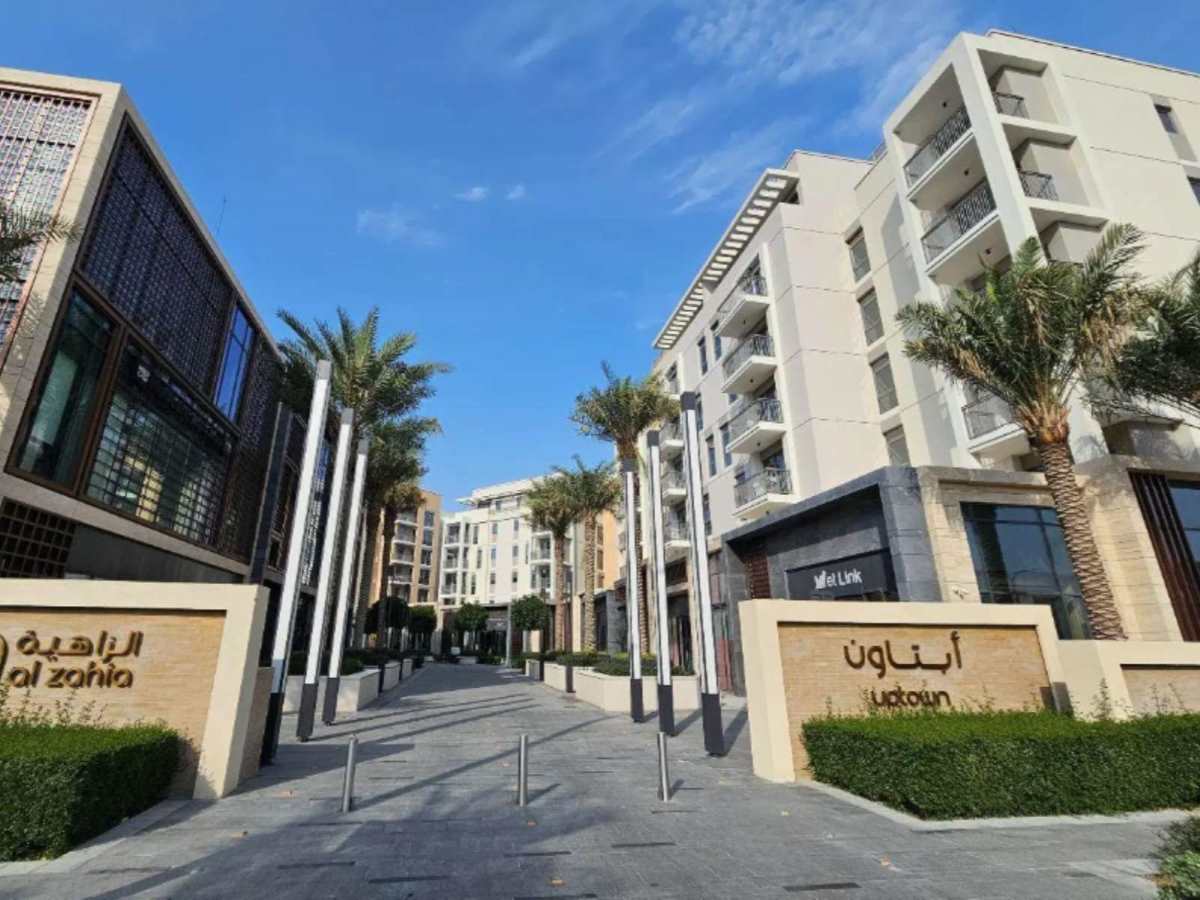
Sharjah freehold properties should be evaluated through everyday practicality, including their location and how close they are to main destinations. The most important aspects for buyers include road access, connections to major transport corridors, and proximity to schools, healthcare, retail, and employment zones. Buyers should also pay attention to whether the area is already functioning well today or whether its value depends too heavily on future promises.
Understanding Sharjah Market Trends Before Investing
Sharjah’s recent performance suggests that the market is still expanding. Rental data reported in early 2026 showed average annual rents rising from Dh45,000 in January 2025 to Dh60,000 in January 2026, while search activity moved more heavily toward studios, one-bedroom apartments, and smaller villas and townhouses.
For first-time buyers, that may indicate continued end-user demand for practical unit sizes, but for investors, it’s a different story; it’s a reminder that buying the right kind of property matters more than getting carried away with projected returns on paper.
On the other hand, the supply pipeline matters too! A growing market can still see uneven performance between locations and unit types. More launches can create opportunities, but they can also add competition. Buyers should read market strength as a reason to do sharper analysis, not as permission to blindly go into the nearest booking office.
Financial Factors Buyers Should Calculate Up Front
Before making the final decision, investors should be fully informed of the total cost of the Sharjah freehold property they’re interested in. This includes down payment, payment plan structure, registration-related charges, service charges, maintenance, fit-out or furnishing costs where relevant, and financing costs if a mortgage is involved.
This is where the idea of total cost for the ownership becomes useful. A property that looks attractive because of a lower initial price may become less compelling once recurring charges, handover costs, vacancy risk, or community fees are included. As an example, a unit with solid pricing but high recurring costs will most likely underperform a slightly more expensive property in a better-run community.
On a side note, payment plans should be carefully read before signing any papers. Deferred payments can improve short-term accessibility, but they do not remove long-term obligations. Buyers need to ask when major installments fall due, what happens at handover, and whether the payment structure still works if rental income starts later than expected.
Risks to Evaluate Before Buying Freehold Property in Sharjah
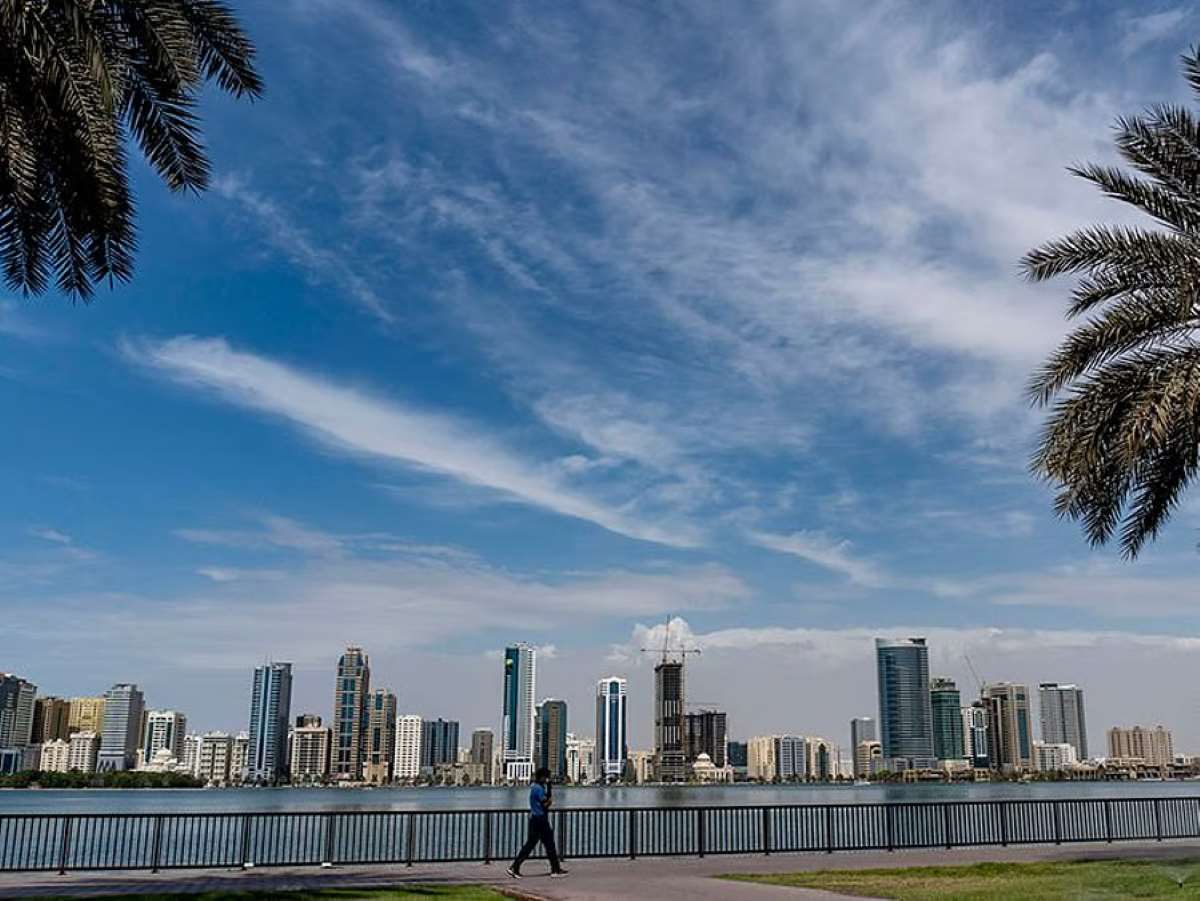
Although we’re talking about one of the strongest real estate markets in the region, that doesn't eliminate the risks; it only changes its shape. In Sharjah, investors should think carefully about market cycles, resale timing, possible project delays in some off-plan segments, overestimating rental demand, and buying in locations that look attractive on a map but do not yet have strong end-user pull.
To reduce those risks, there are a few practical steps that you could take, including:
- Review the developer’s delivery history.
- Check handover timelines against construction progress.
- Check whether roads and daily services are already operating or are still hypothetical.
- Compare expected rental yield against all ownership costs.
- Confirm that the project’s ownership structure, registration pathway, and documentation are clear through the appropriate channels.
Freehold Ownership as a Long-Term Wealth Strategy
Freehold properties in Sharjah offer investors something they actually want but do not always phrase clearly, which is control. First, a freehold property can support capital preservation, in addition to income generation. On the other hand, it also offers intergenerational transfer and the ability to hold an asset through multiple market phases rather than being forced into decisions by a shrinking lease term. In that sense, owning a freehold property in Sharjah is not just a legal format; it’s a planning tool, and buyers who want tailored guidance on their options can contact Al Marwan Developments for further assistance.
Frequently Asked Questions
1) Can a freehold property in Sharjah be inherited by the owner’s family?
Yes. Sharjah’s amended law explicitly refers to ownership transfer by inheritance through legal notification, and it also provides for assignment to first-degree relatives in line with executive regulations.
2) Can owners of freehold properties in Sharjah rent out their units immediately after purchase?
In principle, a freehold owner generally has the right to lease out the property, but the practical answer depends on the project status, handover stage, building rules, and whether the property is ready for occupation.
3) How do service charges affect investment returns in Sharjah’s freehold properties?
Service charges reduce net yield because they are included in the annual cost of ownership. Two units with similar sale prices can perform very differently once community charges and maintenance costs are included. That is why investors should calculate net income after recurring costs, not just gross rent.
4) What documents should a buyer review before signing for a Sharjah freehold property?
At a minimum, buyers should review the reservation and sale documents, the project’s registration and approvals, the title or registration pathway, fee schedules, payment plan terms, and the identification of the authorized broker or sales channel.
5) Is off-plan or ready freehold property better for first-time investors in Sharjah?
Neither is universally better. Off-plan can offer lower entry pricing and staged payments, but it adds construction and handover risk. Ready property offers immediate visibility on location performance, quality, and potential rental income, but the upfront cost may be higher. For a first-time investor, the better choice is usually the one with clearer numbers, clearer documents, and fewer surprises hiding down the road.
Latest News

24 Apr, 2026

26 Mar, 2026

26 Mar, 2026

25 Mar, 2026

24 Mar, 2026
23 Mar, 2026

16 Feb, 2026

16 Feb, 2026

16 Feb, 2026

16 Feb, 2026

Book a Free Consultation
One of our experts will get in touch within 24 hours to book an appointment.