
The Next Phase for Residential and Commercial Properties in the UAE: Trends and Overview



In the past few decades, the UAE real estate market has gone through major changes. Recent market data from Statista’s UAE real estate outlook also reflects continued movement across the sector. It has evolved into multiple distinct segments, and each of these segments has its own drivers and trends. This is clearly seen in dynamic sectors like residential and commercial properties.
The reason residential and commercial properties are tied to different pillars is that residential properties are more closely linked to people’s needs and long-term lifestyle changes, while commercial properties depend on shifts in the market climate and the economy.
This blog explains how residential and commercial properties are changing across the UAE and Sharjah.
Investors tracking these market shifts may also want to see how Al Marwan Developments presents residential, commercial, and land opportunities in Sharjah.
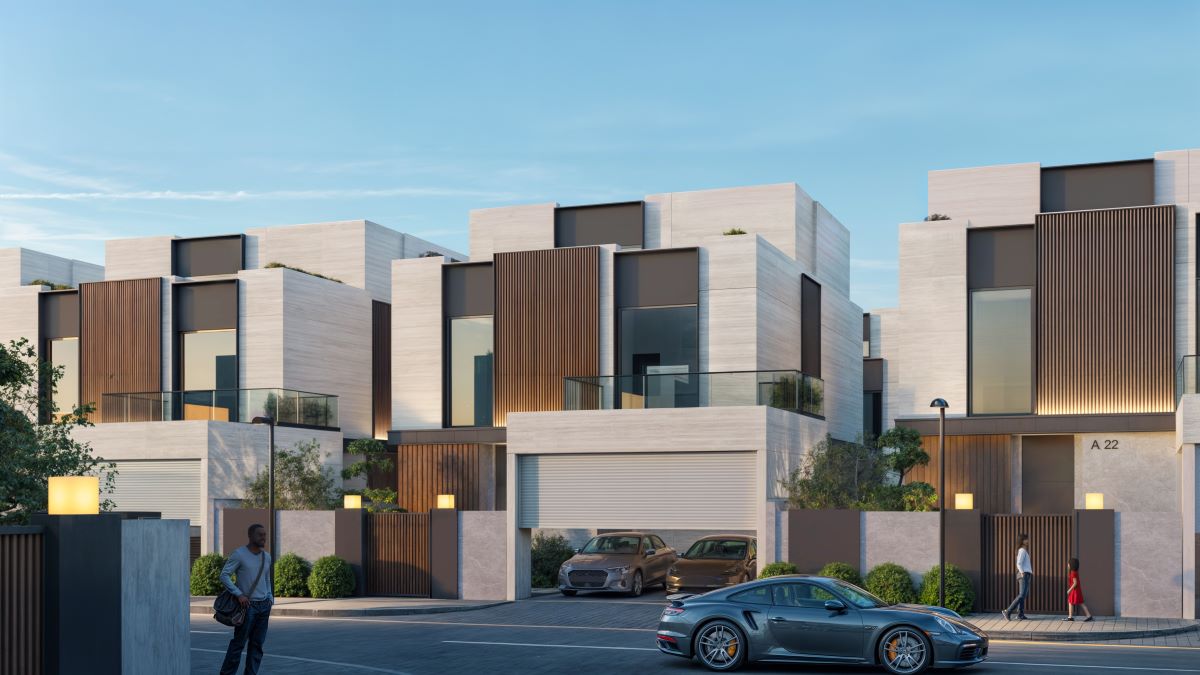
Residential & Commercial Real Estate in the UAE: Two Markets, Two Growth Stories
The difference between residential and commercial properties is not always simple, but some broad distinctions help explain how each segment works.
The Residential sector is largely influenced by :
- Family formation and housing demand
- Affordability and financing access
- Comfort, convenience, and daily services
- Community design and quality of life
- Work-related mobility and relocation
On the other hand, the commercial sector is mainly driven by:
- Business growth and workforce demand
- Trade, logistics, and retail activity
- Investment policy and economic incentives
- Transport links and strategic connectivity
- Sector diversification across the economy
Understanding the differences and similarities between residential and commercial properties is necessary, as many investors often treat “real estate” as one category, while the two segments behave differently.
When talking about commercial real estate vs residential real estate, we’re not arguing which one is the “better” asset class in general; rather, it’s about choosing the one that best fits your specific strategy.
Residential Property Trends in the UAE: Demand Drivers, Lifestyle Shifts, and Population Growth
Several macroeconomic and demographic drivers support residential demand across the UAE. Population growth remains a central factor, with incoming skilled workers and entrepreneurs contributing to sustained housing demand in major urban areas. This also affects the wider market for residential and commercial properties, as population growth increases demand for homes while also supporting business activity and demand for service-based spaces.
The factors that often motivate family relocation within the UAE are lifestyle preferences, affordability considerations, and proximity to education and services, which eventually drive stronger activity in the residential market.
Regarding lifestyle preferences, many buyers and tenants now look beyond the size of the property; instead, they are more focused on the overall living experience a community can provide.
A noticeable shift that is gaining popularity over time is investment in mixed-use communities that combine housing with retail and leisure options, as they make daily life more convenient.
Sharjah’s residential market is seeing steady growth. This is also reflected in the growing interest in Off plan projects in Sharjah, especially among buyers looking for affordability, ownership access, and long-term value. This comes down to several factors, including relative affordability, reliable value retention, and suitability for family living. Another factor that has positioned Sharjah as a stable and attractive housing market is that the emirate has expanded access to ownership, allowing residents and non-UAE nationals to invest in property with full ownership rights.
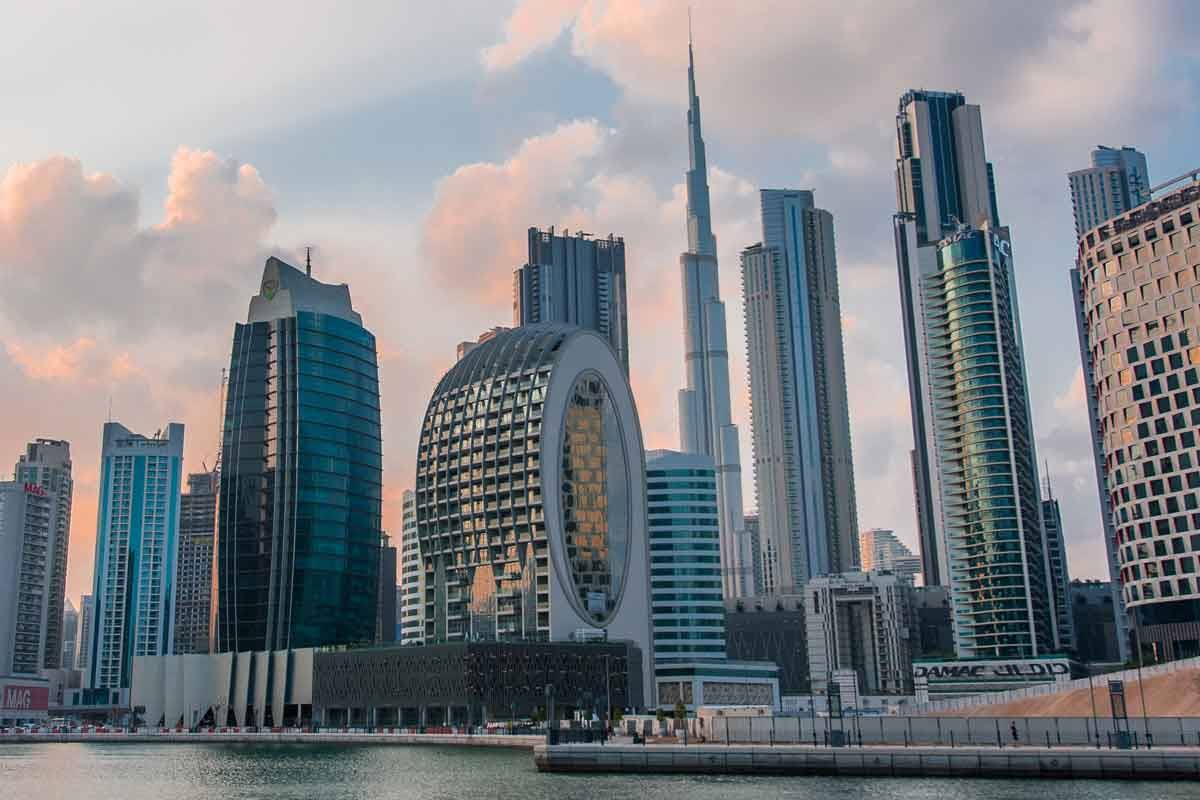
Commercial Property Trends in the UAE: Office Demand, Retail Reinvention, and Logistics Growth
Commercial property trends in the UAE show clear shifts in how offices, retail, and logistics spaces are used and valued.
Office Demand
The commercial office market is evolving, and this shift is reflected in changing demand patterns. Office demand is not declining; it is becoming more selective as businesses prioritize flexibility and efficiency. The adoption of hybrid work models is one of the main reasons companies need less space, while they increasingly focus on environments that support collaboration and adaptability.
As business needs have changed, demand has shifted toward modern, well-located, and technologically equipped offices that improve day-to-day operations. On top of that, businesses are now more cost-conscious, favoring spaces that balance affordability and quality.
Finding a strategic location for a business in the UAE depends on many factors, but a few consistent ones are widely considered by businesses, such as transport hubs and business clusters, while less-connected or standard properties see weaker interest.
Retail Reinvention
Day by day, the UAE retail market is being reshaped by a new approach, though not in a completely different direction. This comes down to several factors, including changing consumer expectations, experience, convenience, destination appeal, and community relevance. Although physical retail remains an important part of the market, its format can strongly affect its performance.
In response to this, consumers expect retail environments to go beyond shopping and combine activities like dining, leisure, services, and social interaction into a single experience. This shift has supported the growth of neighborhood and mixed-use retail that caters to daily needs rather than relying solely on discretionary spending.
Industrial & Logistics Growth
Industrial and logistics real estate is now considered one of the strongest subsegments in the UAE because of its importance in e-commerce, trade flows, manufacturing activity, and demand for warehousing and last-mile delivery. In addition, occupiers are placing greater emphasis on quality specifications, scalability, and operational efficiency, especially in assets linked to supply chain performance.
This explains why commercial real estate should be assessed by subsegment. Offices, retail, and logistics follow different demand patterns, and their performance depends on separate economic and operational factors. That same split matters when assessing residential and commercial properties more broadly because each segment responds to a different set of market pressures.
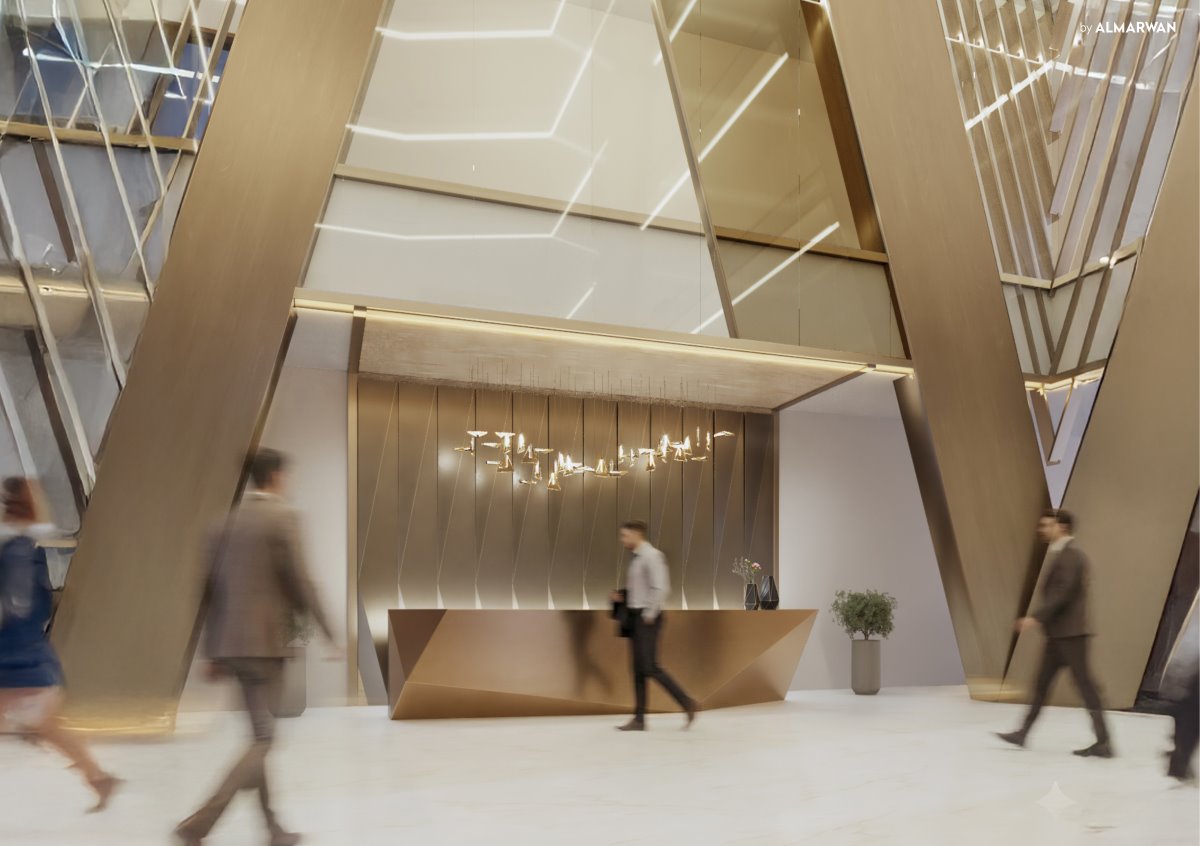
Commercial Real Estate vs Residential Real Estate in Sharjah: Which Segment Is Growing Faster?
While both residential and commercial segments in Sharjah are expanding, the nature and pace of growth differ. This is one of the clearest examples of how residential and commercial properties do not move at the same speed or for the same reasons.
Residential growth is broader and more consistent, supported by a wide end-user base, affordability-led demand, family appeal, and active interest in off-plan developments. This creates stable, widespread momentum across the housing market.
Commercial growth, on the other hand, is more concentrated, with faster expansion in specific subsectors such as industrial and logistics assets rather than traditional office space. Demand in these areas is driven by infrastructure, trade activity, and the growing importance of well-located, high-quality facilities.
Recent market activity provides further evidence of these patterns. Residential transactions have risen steadily, reflecting ongoing interest from end users and investors, while industrial real estate has expanded sharply, fueled by e-commerce, warehousing, and last-mile delivery requirements.
This shows that while both sectors are active, residential growth is more widespread, whereas commercial growth is more selective but can be stronger in high-demand niches. For investors comparing residential and commercial properties in Sharjah, this means the better choice depends less on the sector alone and more on the type of demand behind it.
How Infrastructure Projects and Smart City Development Influence Each Sector Differently
As smart cities become more common in Sharjah and across the UAE, both residential and commercial properties and projects are being developed to keep pace with this direction.
For residential properties, upgrades to roads, schools, healthcare facilities, public spaces, and transit links, combined with environmental and sustainability initiatives, help maintain lasting value while creating communities designed for modern family living.
Commercial assets, however, respond more directly to factors such as logistics access, transport efficiency, utility capacity, digital connectivity, and proximity to free zones. This means that smart city initiatives can have a noticeable impact on operational convenience and productivity, which eventually makes tech-ready properties more attractive to businesses.
Although both residential and commercial properties benefit from infrastructure and smart city planning, the impact is not the same.
Simply put:
- Enhanced quality of life >> Growth in residential demand
- Efficiency, access, and strategic location >> Growth in commercial demand
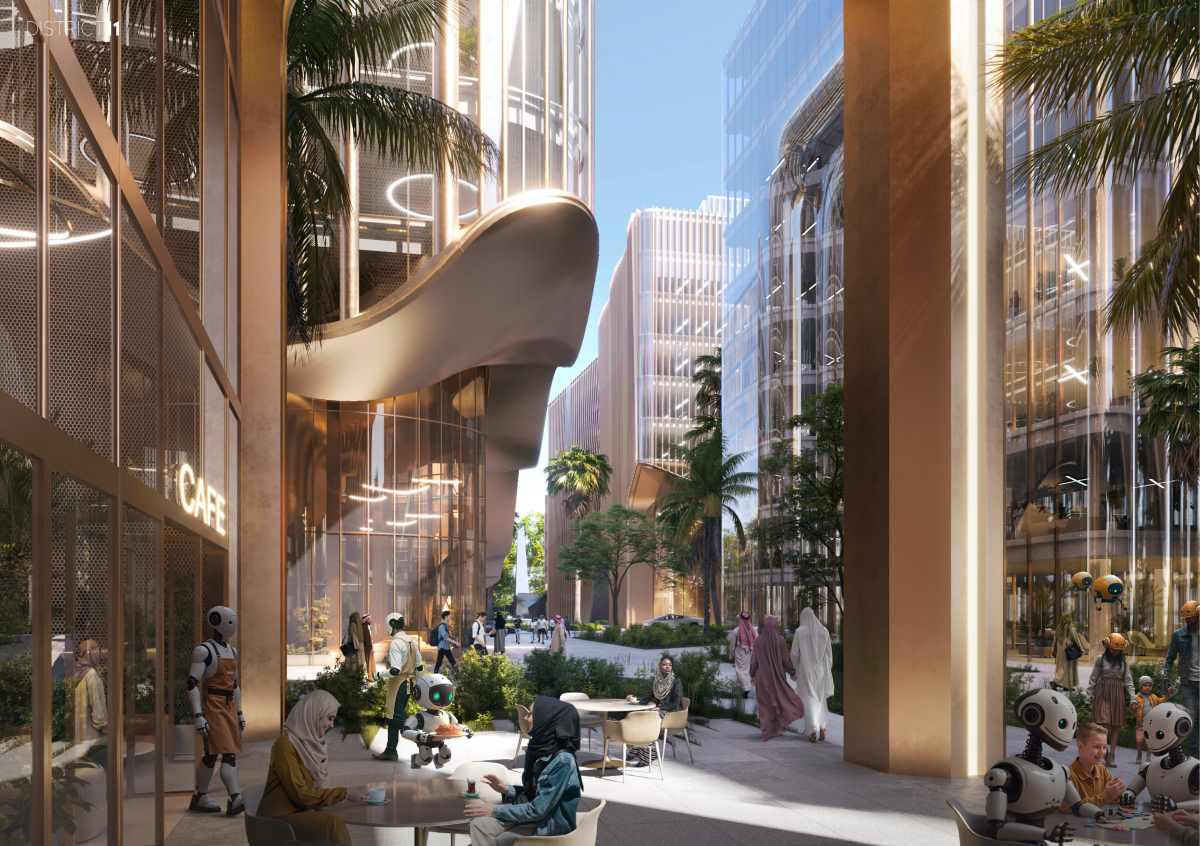
How Consumer Behavior Is Transforming Residential Communities and Mixed-Use Developments
Consumer behavior in the UAE is evolving, with residents placing greater emphasis on wellness, sustainability, and community-focused living.
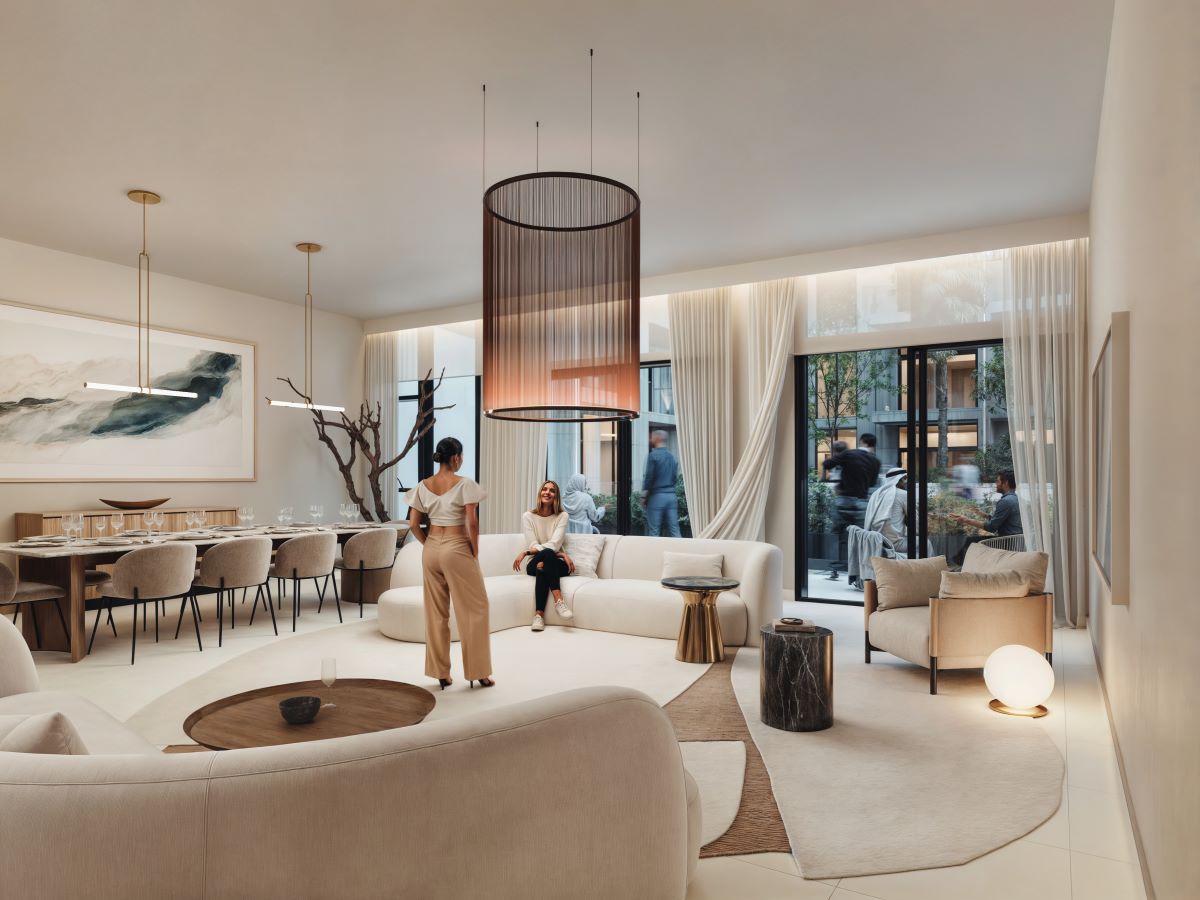
In residential developments, this shift is driving demand for walkable neighborhoods, green spaces, family amenities, and integrated lifestyle features, placing convenience and quality of life at the center of property value. This demand for more considered residential planning can also be seen in projects such as Reywan Project, where buyers are drawn to flexible residential options and long-term living value.
In mixed-use communities, these shifts in consumer expectations are reshaping design priorities: retail, leisure, and service elements are no longer peripheral but key contributors to livability and long-term appeal.
As a result, neighborhoods are increasingly being designed to combine residential comfort with functional commercial spaces, creating cohesive, convenient, and vibrant environments that reflect how people now live, work, and socialize.
Government Initiatives and Policies Supporting Residential Expansion and Commercial Investment
Policy changes and investment frameworks continue to influence residential and commercial properties across the UAE and Sharjah, creating investor-friendly conditions while also supporting long-term residency. Key measures include:
UAE Federal Initiatives and Policies:
Federal measures continue to support both residential and commercial activity across the UAE. These include 100% foreign ownership in many free zones and sectors, long-term residency options through Golden Visas, expanded freehold access for foreign buyers, support for integrated residential communities, and investment rules that allow full profit repatriation without foreign exchange controls.
Sharjah-Specific Initiatives:
In Sharjah, several initiatives continue to support property and business activity. SAIF Zone and Shams Media City support SMEs and international businesses, residential land grants help expand housing access, the Ruwad initiative backs Emirati-owned SMEs, and ongoing regulatory updates continue to improve transparency and investor confidence.
Together, these policies ensure that both residential and commercial growth are strategically guided, secure, and planned with long-term market stability in mind.
The UAE real estate market offers opportunities across both residential and commercial sectors, but each is shaped by different factors. Residential growth is driven by lifestyle, affordability, and family-focused demand, while commercial expansion responds to business activity, logistics, and infrastructure. Investors who want to assess current opportunities in more detail can contact our team for further guidance.
Frequently Asked Questions About Residential and Commercial Properties in the UAE
What is the difference between residential and commercial properties in the UAE?
Residential properties serve living needs, while commercial properties support business activities such as offices, retail, and industrial assets. Each responds to distinct demand drivers, risks, and investment dynamics.
Are residential or commercial properties growing faster in Sharjah?
Residential growth is broader, driven by affordability, family appeal, and off-plan interest. Commercial growth is more concentrated, with industrial and logistics-linked assets seeing the strongest expansion in Sharjah.
Why are mixed-use communities becoming more popular in the UAE?
Residents now value walkability, integrated retail, wellness, and family-focused amenities. Mixed-use developments combine these features with housing, improving convenience, livability, and long-term community appeal.
Which is better: commercial or residential properties?
Residential properties usually involve more tenant turnover and ongoing maintenance, but they tend to carry lower risk and offer more stable returns.
Commercial properties can deliver higher long-term income, though they often come with higher costs and greater market fluctuations.
Commercial vs residential property investment: which is more profitable?
Commercial real estate often generates higher returns than residential assets, supported by stronger rental yields, longer lease terms, and the ability to charge businesses higher rents than individual tenants.
Why is buying commercial property cheap in Sharjah?
The UAE does not impose annual property taxes, which helps reduce ownership costs and improve returns. At the same time, Sharjah is attracting startups and SMEs, which increases demand. In many cases, buying can be more cost-effective than leasing over time.
Latest News

24 Apr, 2026

26 Mar, 2026
26 Mar, 2026

25 Mar, 2026

24 Mar, 2026

23 Mar, 2026

16 Feb, 2026

16 Feb, 2026

16 Feb, 2026

16 Feb, 2026

Book a Free Consultation
One of our experts will get in touch within 24 hours to book an appointment.